Back to List
Seafar Scales Semi-Autonomous Fleet Operations with Peplink
Seafar built a teleoperation model that lets shore-based captains control multiple vessels remotely, helping the company scale its fleet despite a maritime workforce shortage. To support this and keep connections unbreakable, Peplink provides the network infrastructure.
Summary
Organization
Seafar, a semi-autonomous and remote vessel operator
Application
Shore-based teleoperation of crew-reduced vessels
Solution Provider
Frontier EU (Peplink Distributor)
Peplink Deployment
BR1 Pro 5G, HD1 Dome Pro, Switch Series, InControl, and SpeedFusion
Project Scope
50+ vessels and 4 remote operations centers
Outcome
24/7 teleoperational uptime, with fleet expected to double within the year

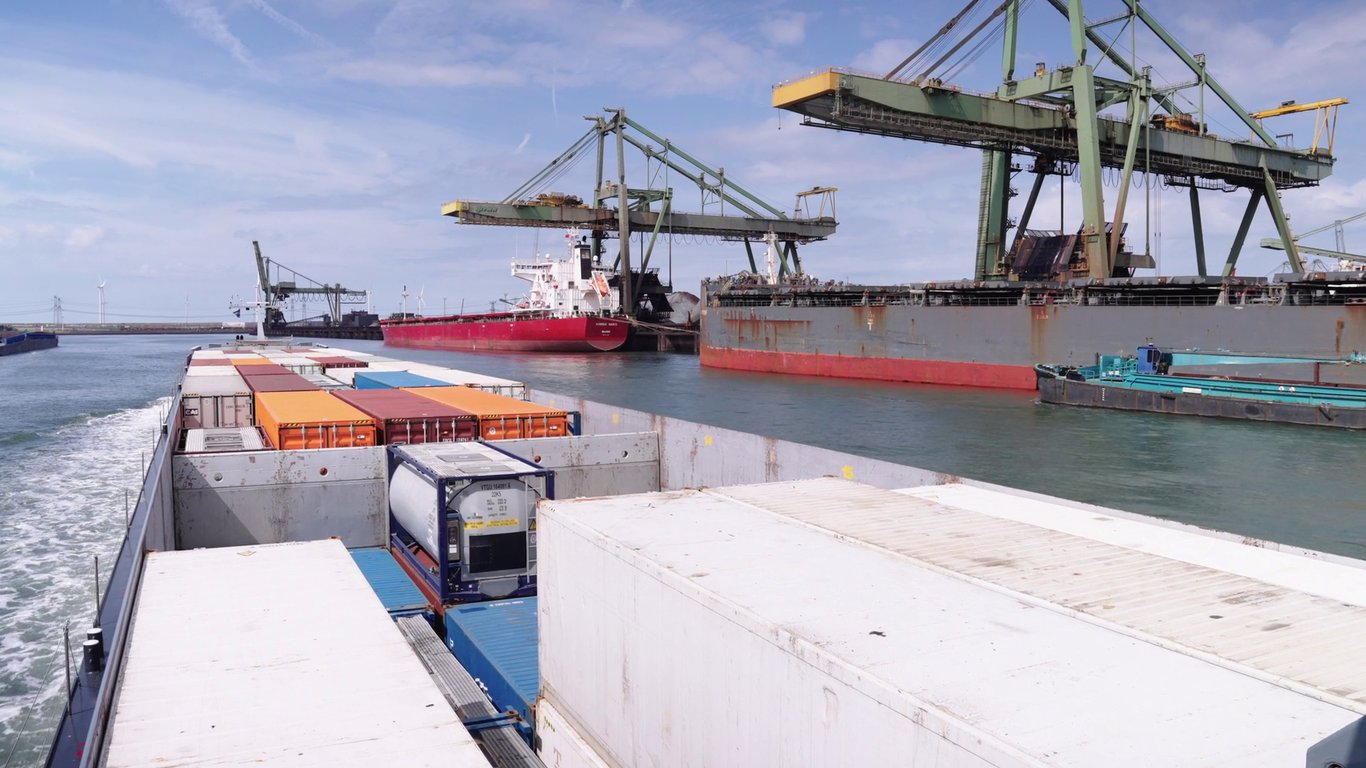
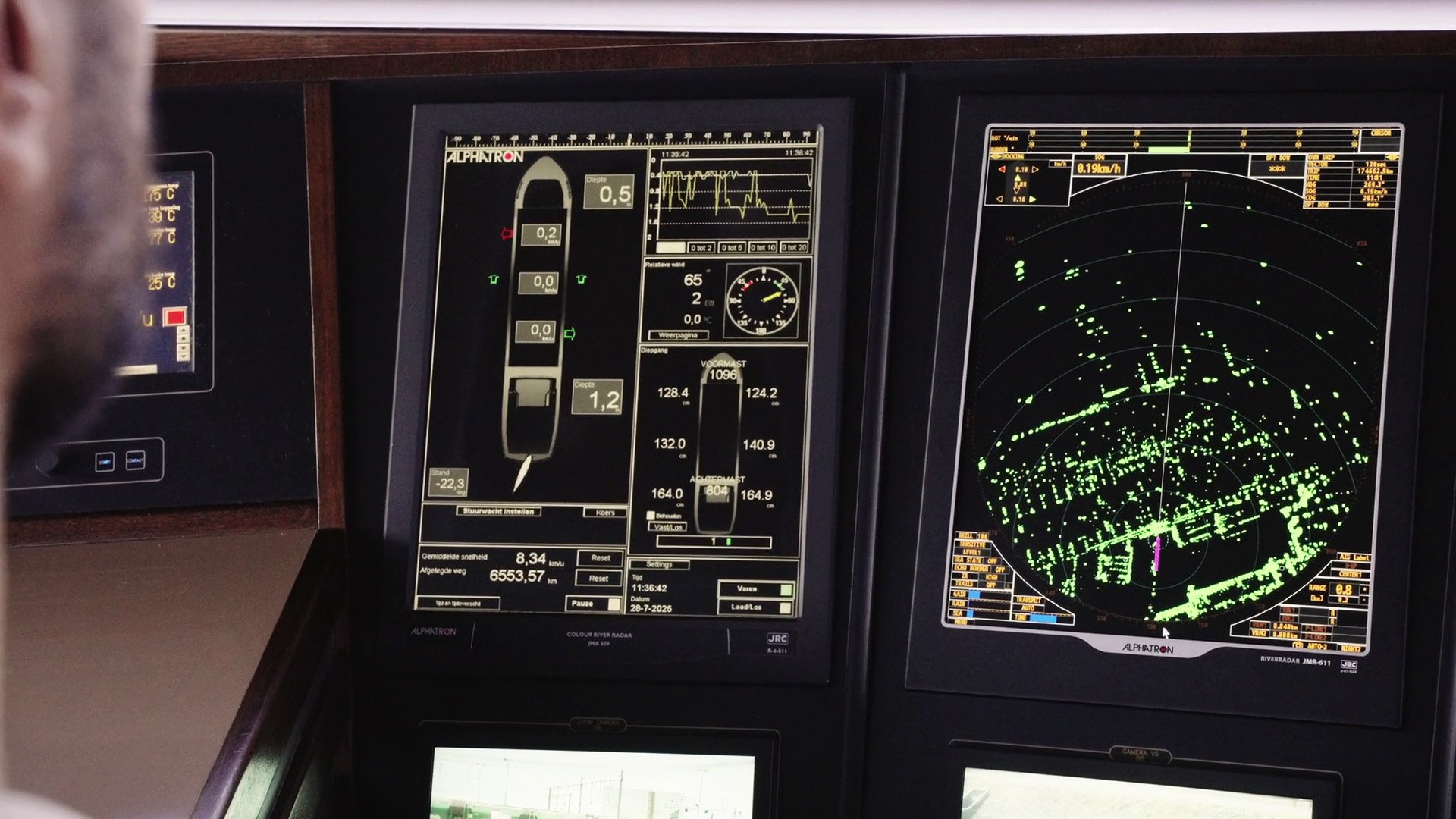
Seafar is pioneering a new model of vessel operations through teleoperation. By developing semi-autonomous vessels that shore-based captains can teleoperate, a single licensed captain can now oversee multiple ships simultaneously without ever stepping onboard.
This model helps meet the rising demand for waterway transport at a time when the maritime workforce isn't growing fast enough to match it. But teleoperation depends entirely on one thing, a connection that never fails. Forming the core of Seafar’s remote control infrastructure, Peplink delivers the reliable, low-latency connectivity required for real-time decision-making and safe operations.
The Challenge
Operating Where Connectivity Is Least Reliable
Seafar's vessels operate across inland and coastal waterways where cellular coverage is inconsistent and bandwidth fluctuates. For a conventional shipping company, a dropped connection is an inconvenience. For a teleoperating captain managing live navigation from shore, it's a safety concern.
As Seafar expanded its fleet, the connectivity challenge scaled with it. The solution had to work reliably across varied routes, tolerate zero interruption during live teleoperation, and deploy consistently across new vessels and partners without adding operational complexity.
The Solution
Multi-5G Bonding for Continuous Fleet-Wide Control
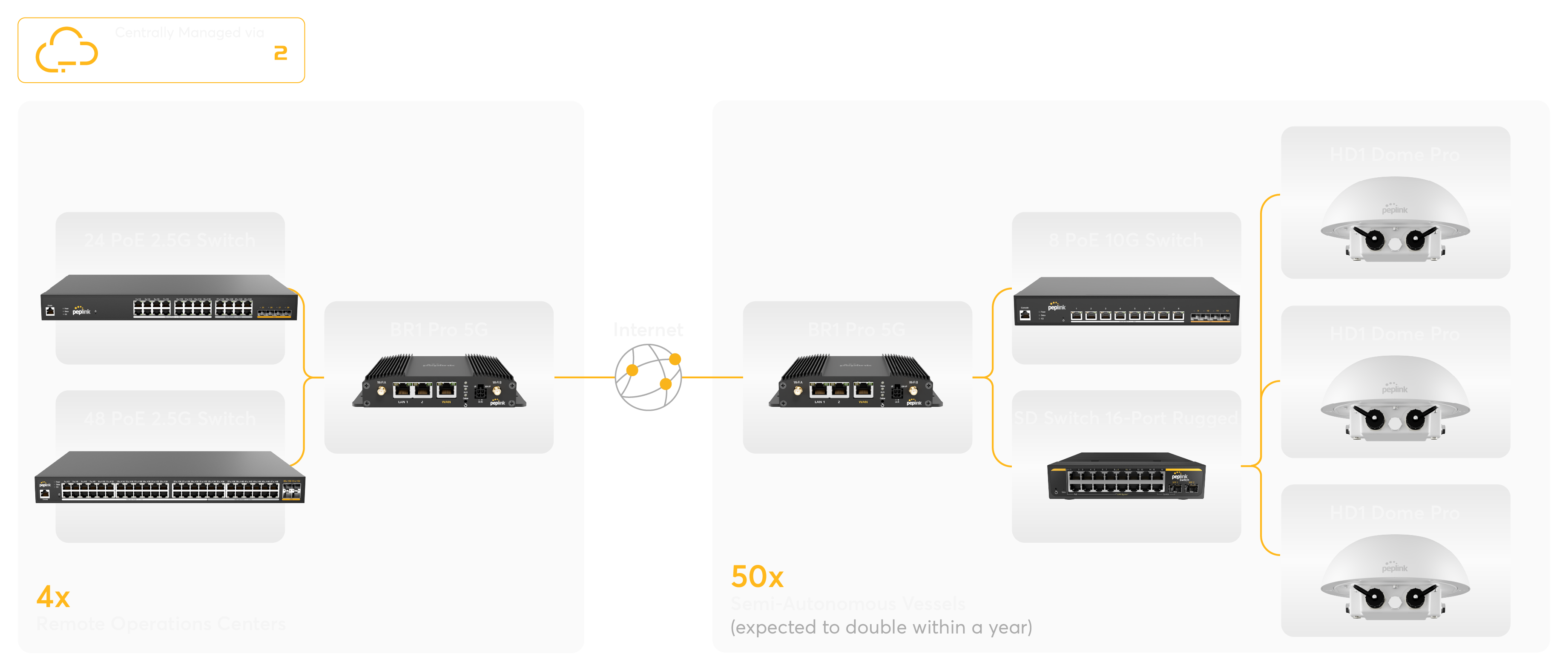
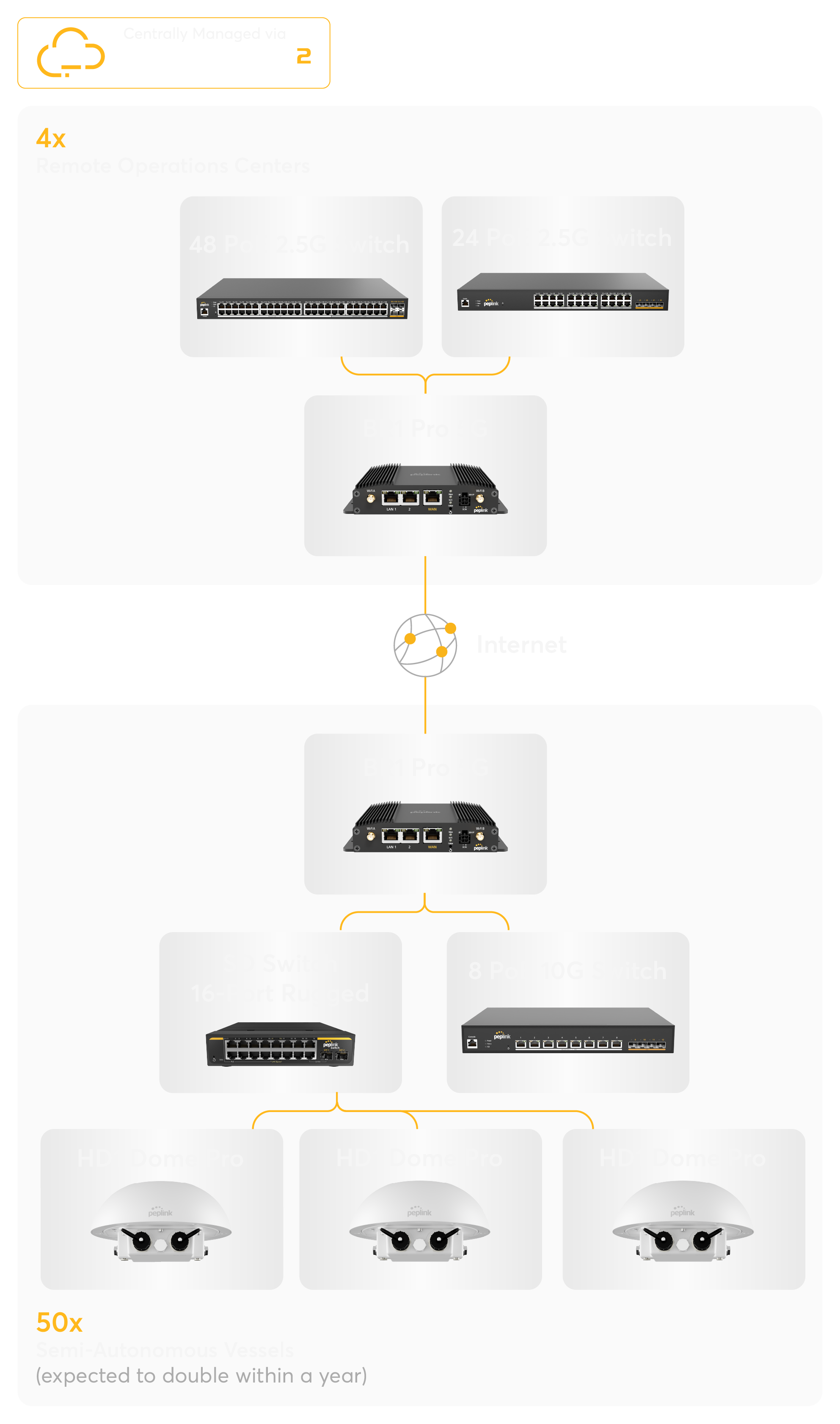
Seafar deployed a full Peplink architecture across its vessels and remote operations centers, collaborating with Frontier EU to build a unified network. With Peplink at both ends of the teleoperation system, SpeedFusion tunnels are established to help deliver the bandwidth and redundancy required for continuous teleoperational control.
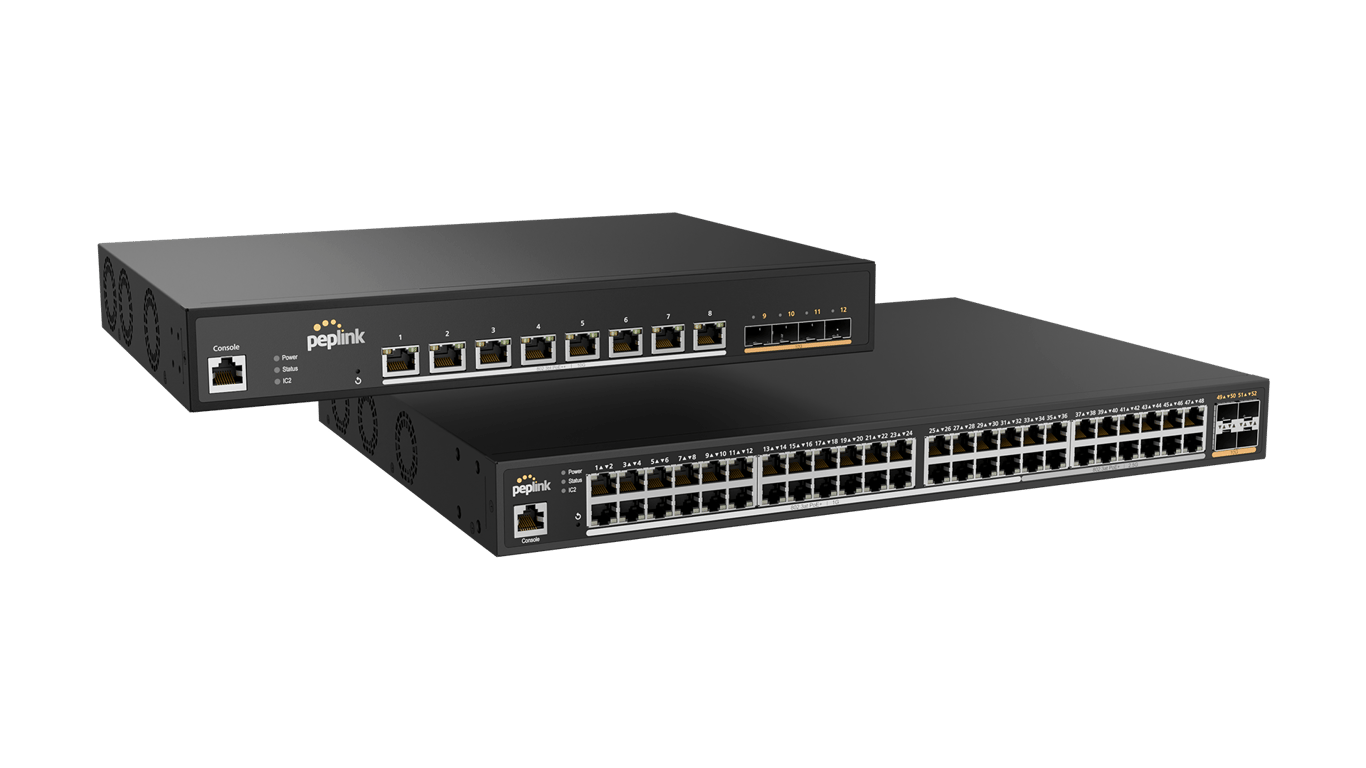
Onboard each vessel, a BR1 Pro 5G is connected to three HD1 Dome Pros via a 16-Port Switch. An 8-Port Switch then distributes connectivity to onboard navigation and control systems. Bandwidth Bonding aggregates four simultaneous 5G connections, keeping latency low and each vessel reliably linked to shore even as coverage shifts along the route.
At each of Seafar's four remote operations centers, a BR1 Pro 5G integrates fixed-line and 5G, with 24-Port and 48-Port Switches supplying connectivity and power to essential peripherals. Hot Failover enables truly seamless failover between connections if an individual link fails, with no interruption to the teleoperation session.
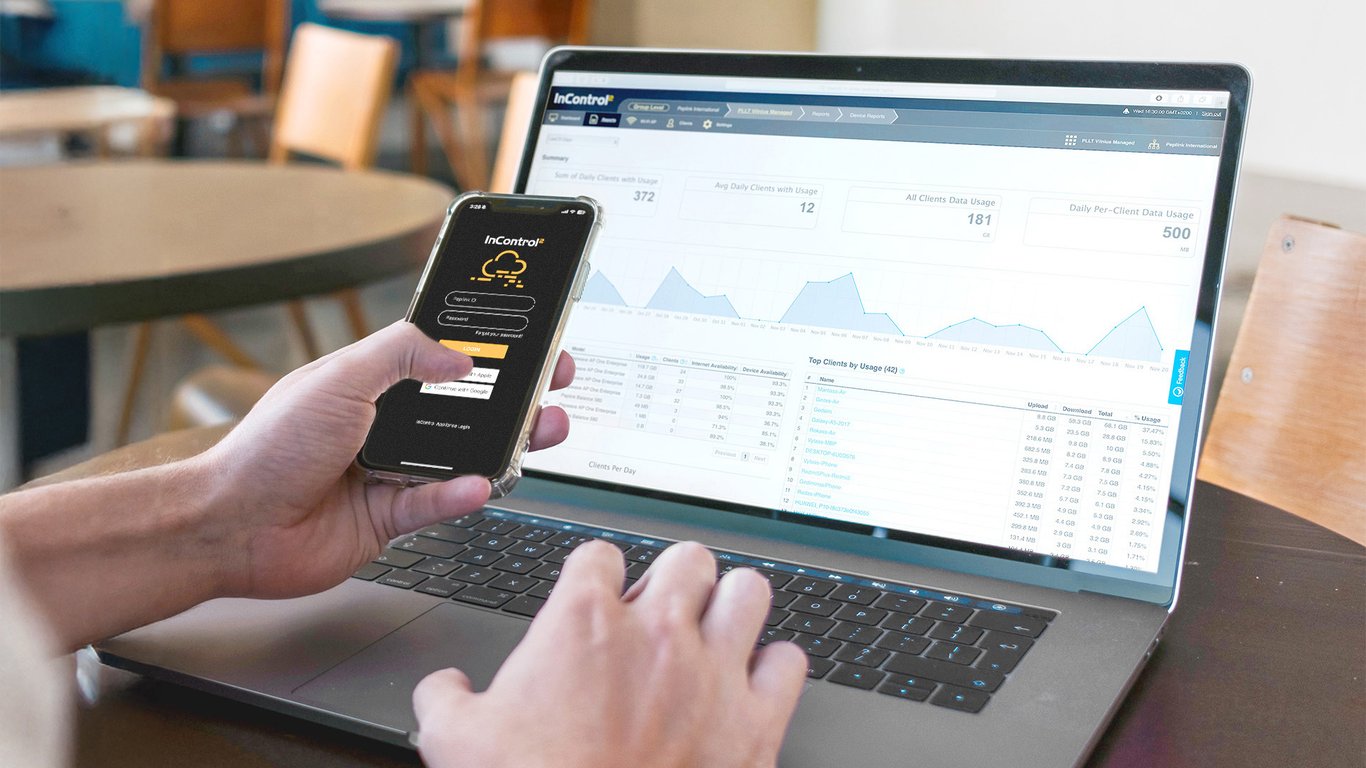
All devices are managed centrally via InControl, giving Seafar's team real-time fleet-wide control without requiring on-site engineers at every vessel or center. This also allows new vessels to be onboarded into the same managed network without added complexity.
The Result
24/7 Control and a Fleet Ready to Double
With connectivity no longer limiting operations, Seafar can confidently scale its teleoperation model across new vessels and waterways. Shore-based captains maintain 24/7 continuous teleoperational control across the entire fleet, even in waterways that were hardest to stay connected in. This reliability is what lets Seafar onboard new vessels without needing to rebuild the network each time, supporting a fleet that is expected to double within the year.
Testimonials
What I’m particularly proud of is our ability to now scale our operations. From when we were first founded 6 years ago with a single vessel to now operating a fleet of over 50, the Peplink solution and the Frontier collaboration have enabled us to go from one to multiple vessels. We hope this journey continues in the years ahead.
Zia Nassir
We basically shift the job of the onboard captain to a shore-based position, and the Peplink components ensure we can keep an eye on the connection, keep it stable, and avoid very serious damage to the waterway, the environment, or people.
Manolito Fernandez
The transition is very smooth and the system of Seafar is working very well. I think the biggest benefit would be that the crews onboard the ship right now can also work onshore, so they have more time with their families. real-time operations.
Twan Brummelkamp
Deployment Architecture
Featured Products
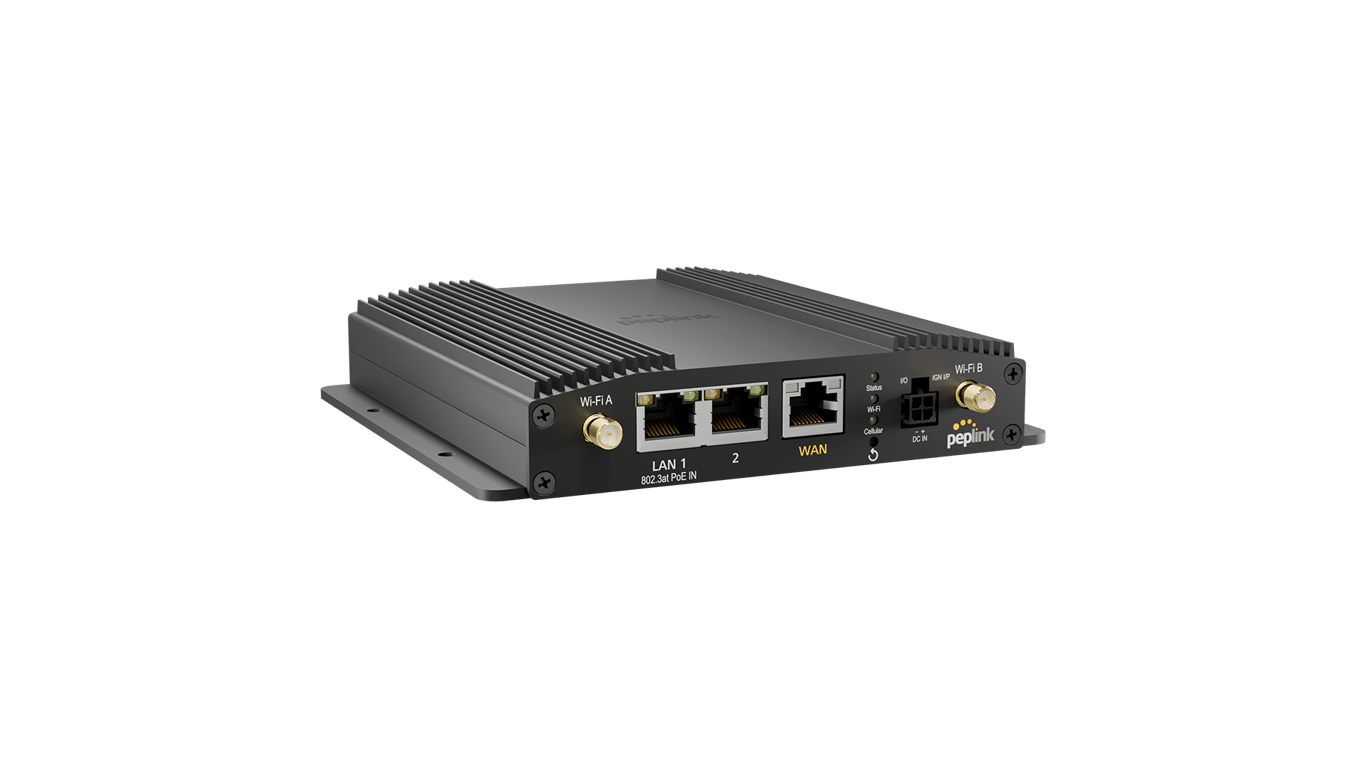
BR1 Pro 5G
-
Provides primary 5G connectivity for each vessel and shore center
-
Integrates fixed-line or other WAN connections alongside dual-SIM 5G, with built-in SpeedFusion support
-
Compact yet robust form factor built for both fixed installations and constant motion at sea
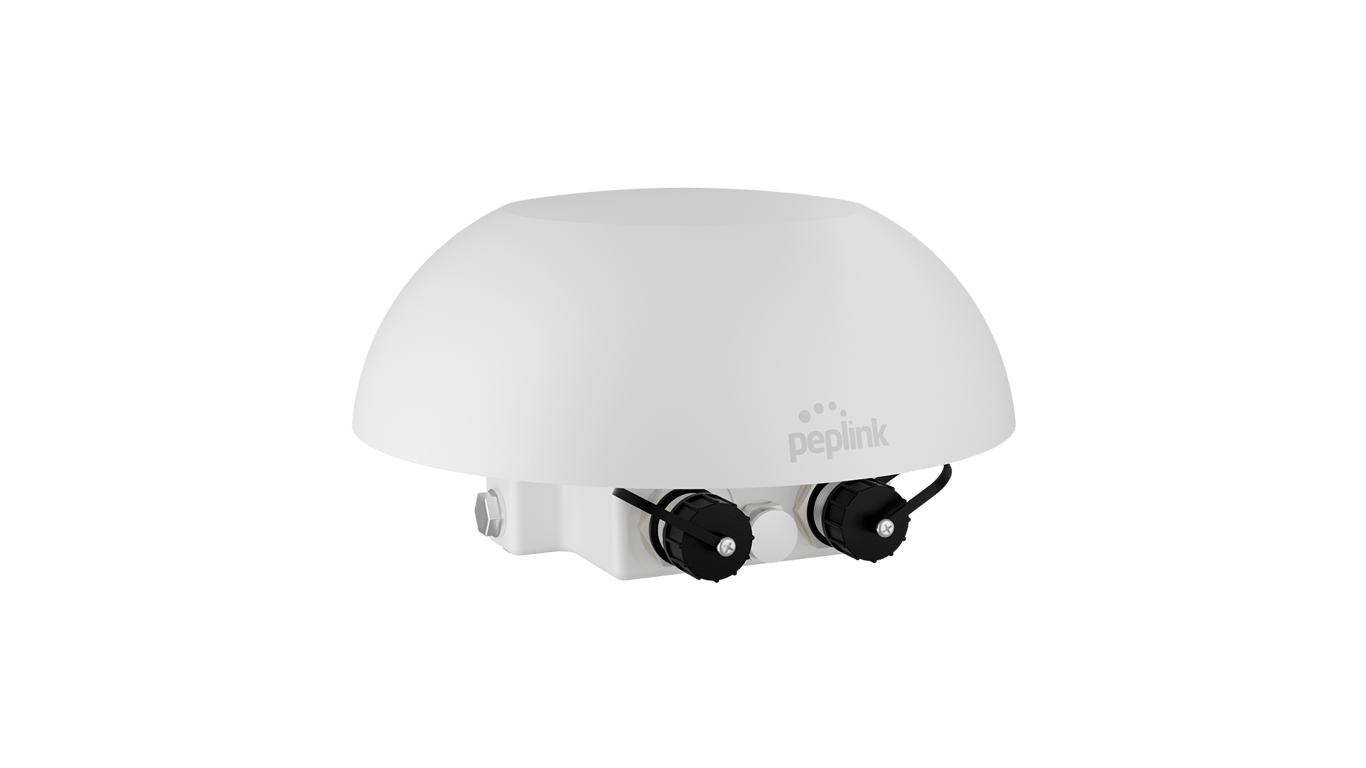
HD1 Dome Pro
-
Adds redundant 5G connectivity for network resilience on vessels
-
Embedded cellular antennas for minimized signal loss and maximized coverage
-
IP67-rated, weatherproof enclosure to withstand exposure to maritime elements
Switch Series
-
Installed at every site, scaling from compact switches to up to 48-port PoE switches at larger facilities
-
Powers and manages individual camera ports, with per-port monitoring and remote restart
-
Connects poolside cameras to local systems and Lynxight's AI servers
InControl - Cloud Management
-
Centrally manages all Peplink devices across 30+ Lynxight-protected sites from a single cloud platform
-
Provides real-time visibility into network health to identify and isolate issues without on-site IT personnel
-
Supports BlueFit’s plans for expansion with a repeatable framework for configuring devices
SpeedFusion Technology
-
Bandwidth Bonding combines fixed-line, fiber, and 4G/5G connections into a single, higher-throughput link to support continuous data flow
-
Hot Failover seamlessly switches between connections to keep the workflow online even if one link drops
-
Keeps the link between poolside cameras and Lynxight's AI services stable, supporting real-time alert delivery
FAQs
Q1. How does Peplink support semi-autonomous vessel operations?
A.
Peplink provides the connectivity backbone that makes shore-based teleoperation possible. On both ends of the link, vessel and shore-based control center, SpeedFusion uses Bandwidth Bonding to combine multiple connections together for greater bandwidth and a stable, low-latency feed that captains rely on for real-time navigation and control. If any individual connection degrades, automatic Hot Failover switches over instantly, keeping the teleoperational feed running without interruption.
Q2. Is cellular my only option when using Peplink infrastructure?
A.
Not at all. Peplink supports cellular, satellite like Starlink, fixed-line, and Wi-Fi as WAN sources, and SpeedFusion can bond multiple connection types together or use them as automatic failovers for each other. For vessels operating further offshore where cellular coverage drops out entirely, satellite connectivity is commonly used to maintain continuous connectivity across open water. Learn more about our joint Peplink and Starlink solutions here.
Q3. How can the Peplink network be managed across a fleet of vessels?
A.
All devices and connections across every vessel and onshore centers can be managed centrally through InControl. This allows real-time visibility, instant alerts, and full configuration control fleet-wide, without needing on-site engineers at each location. Additional Peplink devices can also be added to InControl as the fleet expands, making it easy to scale the network without added management complexity.
Q4. What Peplink products are recommended for maritime operations?
A.
It depends on vessel size, fleet setup, and the function being supported, whether for teleoperation, crew Wi-Fi, or general connectivity. Seafar's deployment uses the BR1 Pro 5G, HD1 Dome Pros, and the Switch Series, but other vessels may need different configurations. You can download and browse through our Peplink for Maritime Connectivity brochure for more recommendations, or see how SIEM Shipping and a U.S. Fishing Trawler have deployed Peplink in maritime settings.
Next Steps

Looking for a Connectivity Solution?
Whether you're planning an event, a remote deployment, or a complex network, our team can help you find the right Peplink setup for the job.
Talk to a Specialist

Got a Peplink Deployment Story?
If you've built something impressive with Peplink, we want to hear about it. Share your project with us and we'll help turn it into a case study.
Share Your Story